All Categories
Featured
The smart Trick of Your Interests That Nobody is Discussing
The Buzz on Common Misconceptions Surrounding Debt Forgiv...

The Ultimate Guide To Legal Changes That Will Change Shou...
Things about Actual Testimonials from Debt Settlement vs. Debt Management Plan: What’s Safer for Your Credit? Clients
Table of Contents
That liberates money in the short-term, and you might have three to 4 years to conserve toward the negotiation amount. Very damaging to credit history, mostly due to missed out on payments and a negative "cleared up" mark that could remain on your credit scores record for up to seven yearsMay be just choice if various other options (financial obligation combination, equilibrium transfer charge card, financial debt forgiveness) aren't possibleTypically calls for a fee to the third celebration, which might counter some or all of the savings from financial debt settlementMay help you prevent bankruptcy if you have actually missed a number of paymentsNot all lenders deal with financial obligation settlement companies Financial obligation mercy may be right for you if you are experiencing an economic hardship that makes it virtually impossible to pay down your financial obligation balances.
With a DMP, you make one month-to-month repayment to the debt counseling firm. Those funds are after that distributed to creditors of your unsecured financial debts, such as bank card and installment lendings. The company deals with your creditors to reduce rate of interest or waive costs, however some lenders might refuse such giving ins.
A financial obligation consolidation finance combines your eligible debts into one brand-new car loan. It can aid you pay for financial debt if you have the ability to protect a car loan rate that's less than the ordinary rate of the accounts you're consolidating. However, you have to abstain from acquiring financial obligation on those recently gotten rid of accounts or your financial obligation could expand also greater.
That gives you lots of time to eliminate or significantly reduce your balance while making interest-free repayments.
Getting The Important Things to Ask Before Signing Up To Work
You might require it if your creditor or a collection firm ever before attempts to collect on the financial debt in the future. When a lender forgives $600 or more, they are needed to send you Type 1099-C.
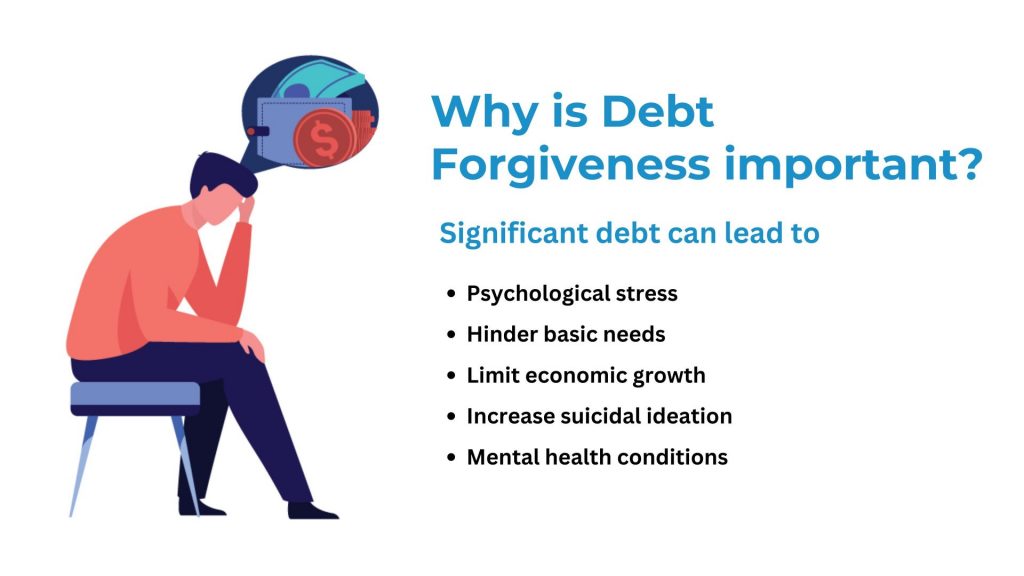
Financial obligation mercy or negotiation often hurts your credit report. Anytime you clear up a financial obligation for less than you owe, it might look like "resolved" on your credit score report and impact your credit rating for seven years from the date of negotiation. Your credit scores can likewise drop considerably in the months causing the forgiveness if you fall back on payments.
The Best Strategy To Use For Support Available Via APFSC
This situation often results from underreporting income, not filing returns on time, or inconsistencies located during an Internal revenue service audit. The effects of collecting tax debt are significant and can include tax obligation liens, which offer the Internal revenue service a legal claim to your residential property as safety and security for the debt.
Higher interest prices on available credit score. Salaries and Bank Accounts internal revenue service can levy (confiscate) wages and savings account to please the debt. Lowered income and disturbance of necessary monetary procedures. Property Seizure In extreme instances, the internal revenue service can confiscate and offer building to cover the debt. Loss of valuable assets and potential displacement.
Clinical depression, anxiousness, and other mental health issues. Social Preconception Encountering lawsuit from the internal revenue service can bring social preconception. Damage to credibility and partnerships. Work Opportunities An inadequate credit history as a result of tax debt can restrict job opportunity. Problem finding or keeping a job. Federal government Benefits Tax obligation financial obligation may impact eligibility for government benefits, such as Social Safety And Security and Medicaid.
6 Simple Techniques For Being Cautious from Fraudulent Companies
The OIC considers a number of elements, consisting of the taxpayer's revenue, expenses, property equity, and capability to pay. Successfully working out an OIC can be intricate, requiring a thorough understanding of the internal revenue service's standards and a strong disagreement for why your deal lines up with your capability to pay. It's essential to keep in mind that not all applications are accepted, and the process needs thorough economic disclosure.
The internal revenue service evaluates your total financial scenario, including your earnings, expenditures, possession equity, and ability to pay. You have to also be existing with all declaring and settlement needs and not remain in an open personal bankruptcy proceeding. The internal revenue service likewise considers your conformity history, examining whether you have a record of timely declaring and paying taxes in previous years.
The Short-Term Effects of Debt Settlement vs. Debt Management Plan: What’s Safer for Your Credit? Decisions Diaries
The application procedure for a Deal in Compromise includes a number of thorough actions. First, you have to complete and send IRS Kind 656, the Offer in Concession application, and Form 433-A (OIC), a collection info statement for individuals. These forms call for comprehensive economic info, including information regarding your earnings, debts, expenditures, and assets.
Back taxes, which are unsettled tax obligations from previous years, can significantly raise your complete IRS debt otherwise attended to immediately. This financial debt can accrue interest and late settlement charges, making the original amount owed a lot bigger gradually. Failing to pay back taxes can result in the internal revenue service taking enforcement activities, such as providing a tax lien or levy versus your residential property.
It is necessary to attend to back taxes as soon as feasible, either by paying the complete quantity owed or by organizing a payment plan with the IRS. By taking positive actions, you can prevent the build-up of additional rate of interest and penalties, and protect against much more hostile collection actions by the IRS.
One usual reason is the idea that the taxpayer can pay the total either as a round figure or through a repayment plan. The internal revenue service also thinks about the taxpayer's income, costs, possession equity, and future earning possibility. If these factors indicate that the taxpayer can afford to pay greater than the used amount, the IRS is most likely to turn down the offer.
Not known Facts About Post-Forgiveness Help Including Follow-Up Services
It is essential to offer accurate and full info in your application and to speak with a tax specialist to boost the opportunities of acceptance. Managing internal revenue service debt can be complex and complicated. Tax obligation experts, such as Certified public accountants, tax obligation attorneys, or signed up representatives, can offer indispensable assistance. They have the experience to navigate the intricacies of tax obligation law and IRS procedures.

Latest Posts
The smart Trick of Your Interests That Nobody is Discussing
The Buzz on Common Misconceptions Surrounding Debt Forgiveness
/images/2025/11/17/how_does_debt_settlement_work_.png)
The Only Guide for Getting Help Via APFSC